What I See When Parents and Staff Work Together
When parents and staff truly work together, I don’t just see better grades.
I see a completely different child.
I see a child who walks into the room with their head a little higher.
I see a child who is willing to try, even when something feels hard.
I see a child who begins to understand, “My learning matters… and so do I.”
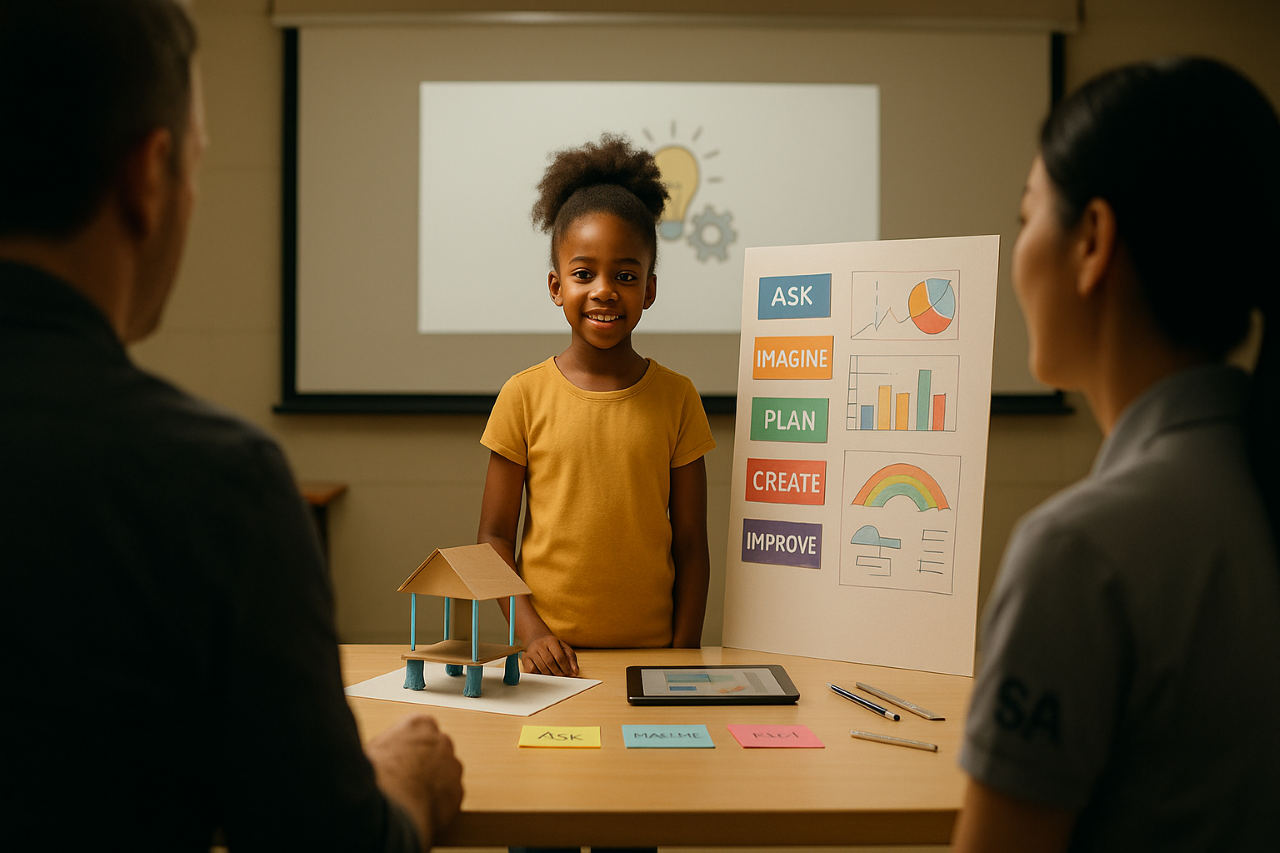 At Impact STEAM Academy (ISA), we work with elementary students who are growing up in a world where technology is everywhere, attention is divided, and motivation can be hard to find. Many of our parents tell us:
“I want the best for my child… I’m just not sure how to help them.”
“They don’t seem to care about school.”
“I’m not ‘good’ at math or science—how can I support them?”
You are not alone in feeling this way.
And here’s the encouraging truth: you do not have to be a math expert, a scientist, or an engineer to help your child excel.
What you do need is partnership.
When parents and staff work together, here’s what I see—over and over again.
1. Children Stop Seeing School As “Their Problem” And Start Seeing It As “Our Journey”
Many students silently carry a heavy belief:
“If I’m struggling in school, that’s my fault. I’m just not smart enough.”
When parents and ISA staff are disconnected, that belief grows. The child feels alone in their frustration. Homework battles start. “I don’t care” becomes a shield to hide “I don’t think I can.”
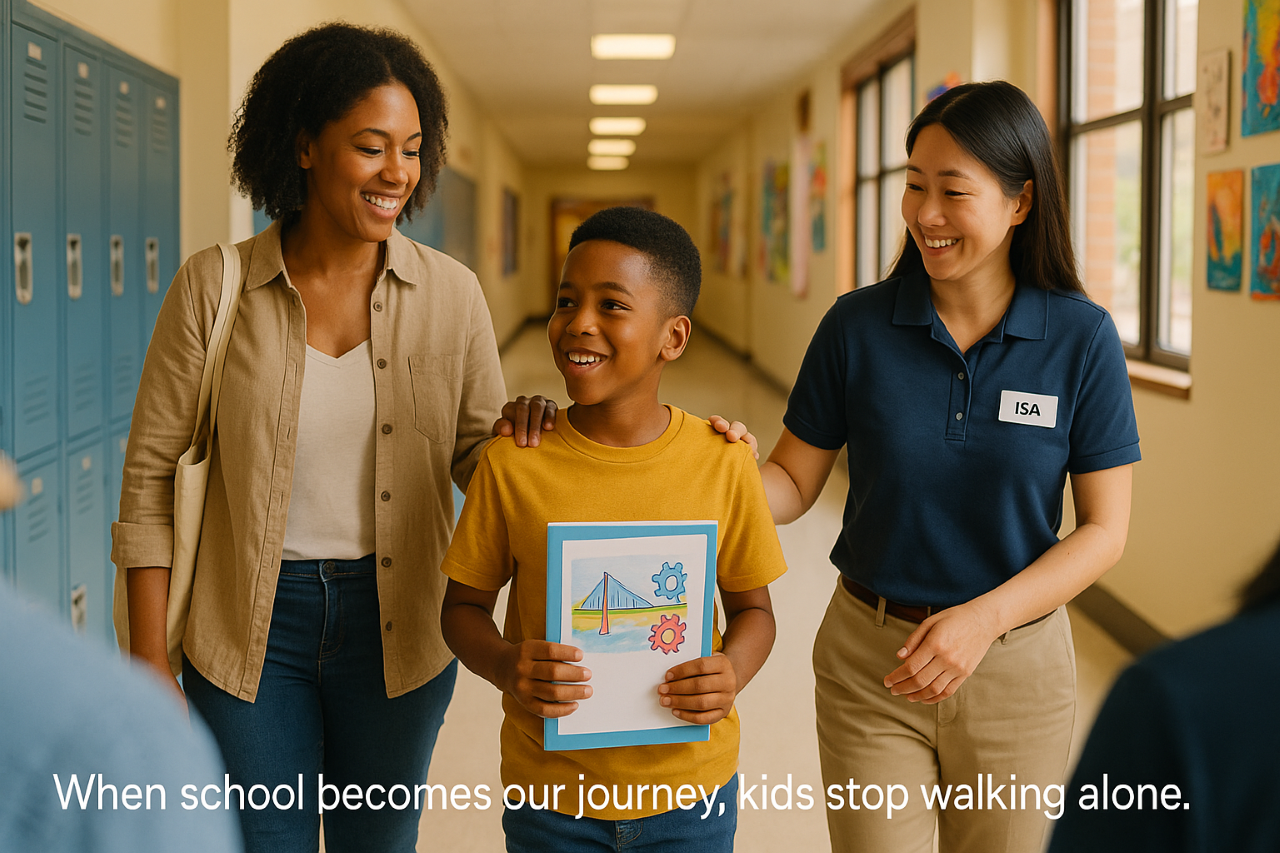 But when parents and staff are on the same team, everything shifts.
- The same message is heard at home and at ISA:
“We believe in you. Learning is a process, not a test of your worth.” - The child sees adults talking to each other, sharing updates, celebrating small wins.
- Expectations are clear and consistent: “We are all working together to help you grow.”
Instead of feeling like school is something done to them, students begin to feel like learning is something they are supported in.
I see students relax.
I see them ask more questions.
I see them open up about what’s hard—because they know they have a team behind them.
2. Motivation Grows When Parents Connect To What We’re Doing In STEAM
At ISA, students aren’t just sitting and listening. They’re building, testing, exploring, and solving real-world problems through:
- Hands-on projects
- Science- and technology-based monthly themes
- Engineering challenges
- Art-infused designs
- Math applied to real situations
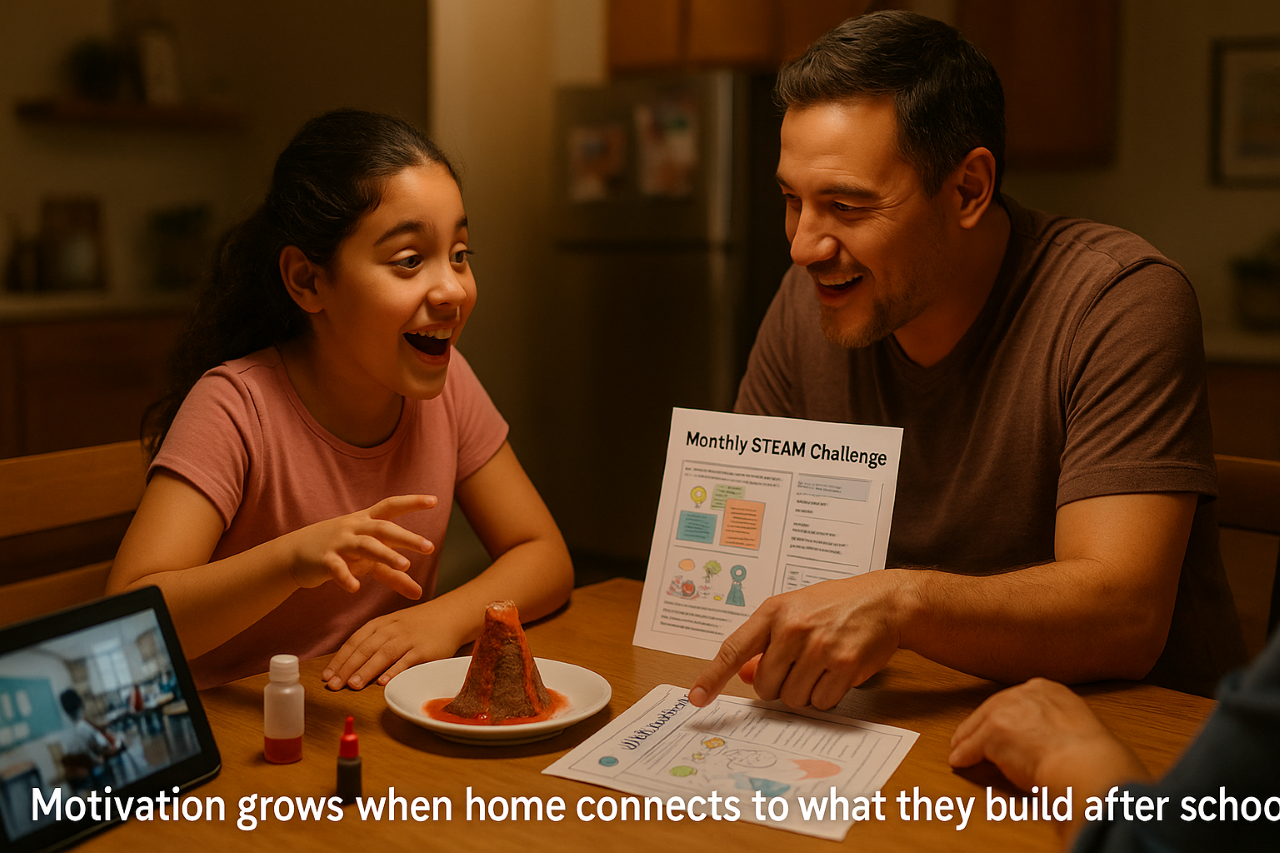 We use the engineering design process—Ask, Imagine, Plan, Create, Improve—to guide everything we do. That process turns mistakes into learning, and “I can’t” into “Let me try again.”
Here’s what I see when parents join that process:
- They ask targeted questions at home like:
“What did you create today?”
“What did you improve today?”
“What problem did your team try to solve?”
- They connect ISA projects to everyday life:
“That bridge you built at ISA—this highway overpass works the same way.”
“You learned about circuits—see how this light switch works?”
Suddenly, the child realizes:
“This isn’t just something I do after school. This connects to my life.”
Motivation rarely comes from lectures like “You need to do well in school.”
Motivation grows when a child sees meaning in what they’re learning and feels noticed by the adults around them.
When parents show interest in ISA projects—even simple interest—students light up. They feel proud. They want to do more.
3. Confidence Grows Faster When Home And Staff Celebrate Effort, Not Just Outcomes
Many children avoid challenging work because they are afraid of being wrong.

Inside ISA, we celebrate:
- Attempts
- Revisions
- Creative ideas
- Teamwork
- Growth over time
When parents join us in celebrating effort and persistence, not just perfect answers, I see powerful changes:
- Students are more willing to tackle difficult math problems.
- They try again when their project doesn’t work the first time.
- They speak up more in group discussions.
- They learn to say, “I struggled with this—but I kept going.”
Imagine the strength of a child who hears this message consistently:
At ISA: “You did a great job sticking with that challenge. Let’s see what you learned.”
At home: “I’m proud of how hard you worked, not just what grade you got.”
That child begins to see themselves as a problem-solver.
And that identity is far more valuable than any single test score.
4. Working Together Doesn’t Mean You Do More; It Means You Do What Matters Most
Many parents worry that “working together” means adding hours of extra teaching at home. That is not what I’m talking about.
When parents and staff work together, it often looks like:
a. Simple, meaningful communication
- Reading a quick update from us about your child’s progress.
- Sending a short note or email: “We’re seeing this at home—any suggestions?”
- Letting us know when there’s a big change at home that might affect your child’s mood or focus.
These small conversations help us support your child more wisely.
b. Using the same language we use at ISA
 You don’t have to teach the lesson; just echo the mindset.
At home, you might say:
- “Let’s ask what the problem really is.”
- “Can we imagine a few ways to solve this?”
- “What’s your plan?”
- “You did a great job creating that.”
- “How would you improve it next time?”
This isn’t extra homework. It’s simply weaving the ISA way of thinking into everyday life.
c. Creating tiny STEAM moments at home
You don’t need a lab or a 3D printer. Real-life is full of chances to think like a scientist, engineer, or artist:
- Measuring ingredients while cooking (math + measurement).
- Noticing patterns in nature on a walk (science + observation).
- Asking, “How do you think this works?” about a light, a toy, or a device (technology + curiosity).
- Building with blocks, cardboard, or LEGOs and asking, “What problem does your design solve?” (engineering + creativity).
Five minutes of curious conversation can be more powerful than 50 minutes of forced homework.
5. You Don’t Have To Know All The Answers—You Just Have To Stay In The Conversation
One of the biggest barriers I see is this belief:
“I don’t understand this stuff, so I can’t help my child with it.”
Here’s what I want you to hear clearly:
 Your child does not need you to be the expert. They need you to be engaged.
When parents admit, “I don’t know—let’s figure it out together,” I see:
- Children relax, because mistakes are allowed.
- Parents model a growth mindset: adults are still learning too.
- Families start learning side-by-side instead of in separate worlds.
You can always ask us:
- “What are you working on this month?”
- “How can I reinforce this at home in a simple way?”
- “What should I say when my child gets frustrated with this topic?”
That’s what we’re here for. Our staff brings the STEAM expertise, the project design, and the structured challenges. You bring insight into who your child is—what excites them, what worries them, and how they respond at home.
Together, we see the whole child.
6. What I See Most Clearly When Parents And Staff Work Together
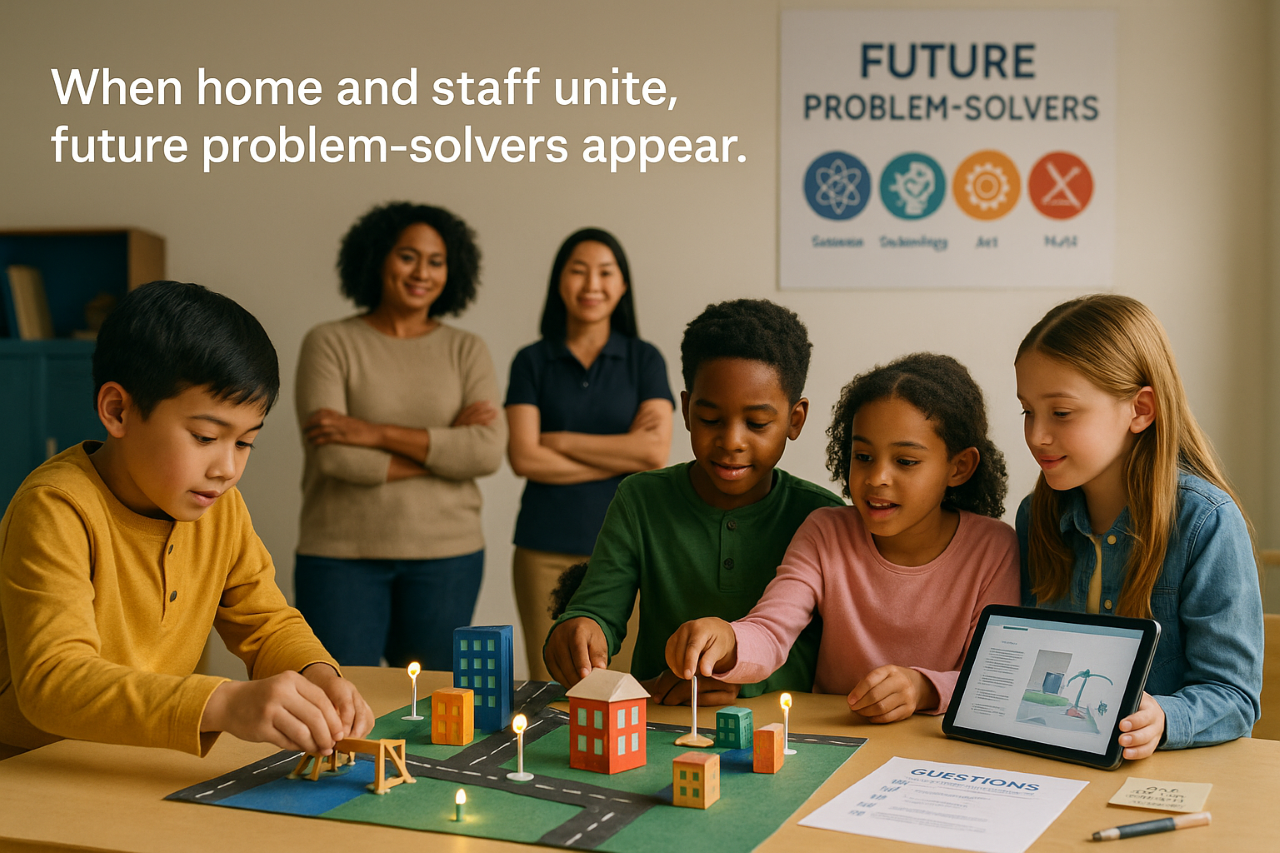 When this partnership really clicks, here’s what I see over time:
- Students who once shrugged and said, “I don’t care,” begin to ask, “What are we building next?”
- Children who were “afraid of being wrong” start raising their hands and sharing ideas.
- Parents who felt unsure begin to feel confident:
“I may not know all the content, but I know how to support my child’s learning.”
Most importantly, I see students who start to believe:
“My future is worth preparing for.
I can learn. I can grow. I can solve real problems.”
That belief is what prepares them for the careers of tomorrow.
That belief is what turns simple afterschool hours into a foundation for a lifetime.
A Final Word To You, As A Parent
If you’ve ever wondered:
- “Am I doing enough for my child’s education?”
- “They don’t seem motivated—what else can I do?”
Know this: you don’t have to do it alone. At Impact STEAM Academy, our commitment is to equip and challenge students to reach their unique potential—and that commitment includes partnering with you.
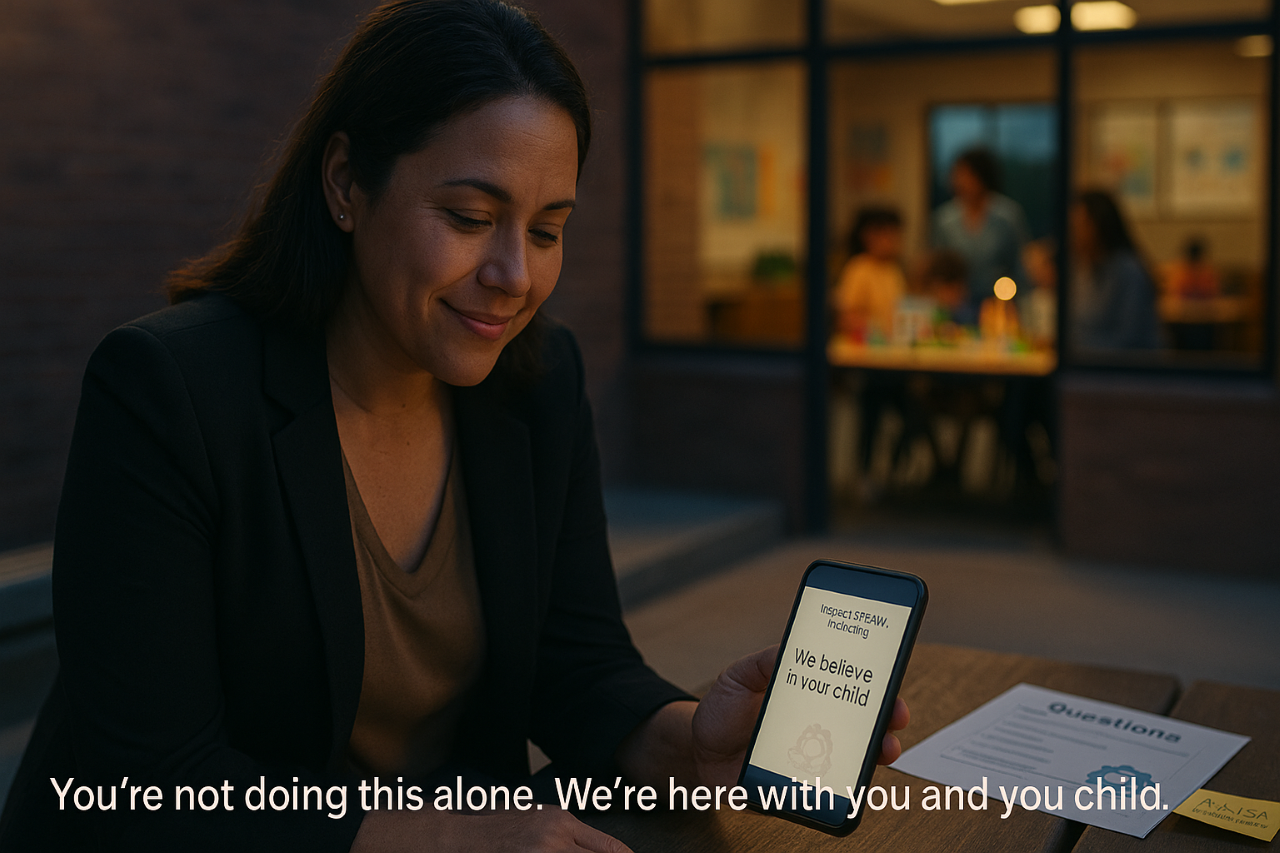 When we, as staff, bring our expertise in Science, Technology, Engineering, Art, and Math…
When you, as a parent, bring your love, attention, and willingness to stay in the conversation…
Your child stands in the middle of something powerful:
A united team that believes in who they are and who they can become.
That’s what I see when parents and staff work together.
And I would love for your child to be the next one we see grow.
How important is it for you to work with the staff?