Everything Parents Need to Know About the Whole Child Approach
Quick take: The “whole child” approach is an educational lens that treats your child as more than test scores. It nurtures academic growth and social-emotional skills, creativity, health, and a sense of purpose—so children are ready for real life, not just the next quiz. At Impact STEAM Academy (ISA), this comes alive through hands-on, project-based learning in science, technology, engineering, art, and math—guided by the engineering design process: Ask → Imagine → Plan → Create → Improve.
What the Whole Child Approach Actually Means
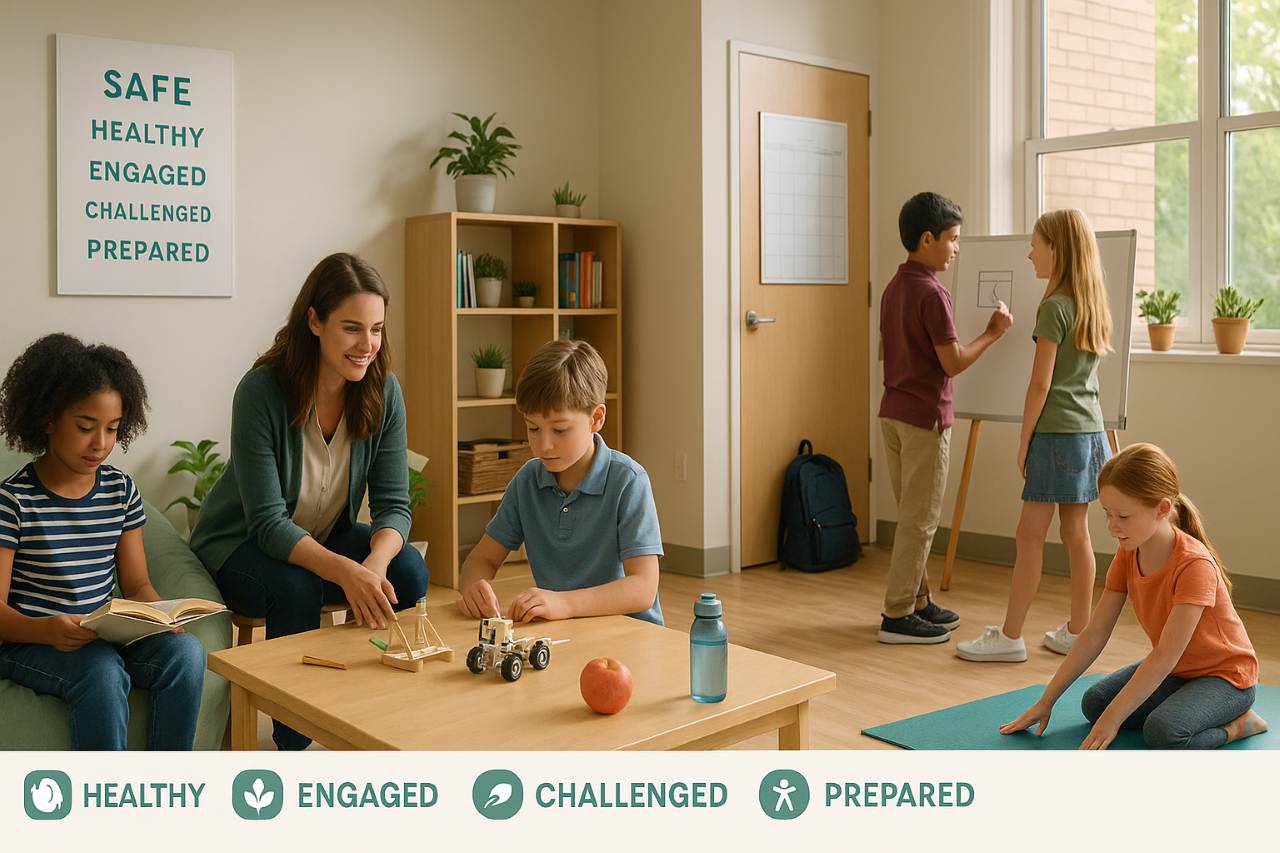 A whole child program is built on five pillars:
1. Safe & supported: Children learn best when they feel emotionally and physically secure.
2. Healthy: Sleep, movement, nutrition, and mental well-being fuel brain performance.
3. Engaged: Learning becomes meaningful when students build, test, debate, and present.
4. Challenged: Rigor comes from solving authentic problems, not more worksheets.
5. Prepared: Students develop transferable skills—critical thinking, communication, collaboration, and creativity—that last beyond childhood.
Bottom line: It’s not just what kids know; it’s who they’re becoming as thinkers, teammates, and citizens.
Why Parents Should Care (Especially if Motivation Is Low)
 Many parents tell us, “My child is capable, but they’re not motivated.”
Motivation rarely comes from lectures; it comes from purpose and progress.
When students can link classroom concepts to real-world problems—and see their ideas work—motivation increases. In a whole child environment, a student who once disliked math may suddenly care because math helps them design a safer bridge, code a game, or budget materials for a prototype.
Purpose turns “I have to” into “I want to.”
How ISA Brings the Whole Child Approach to Life
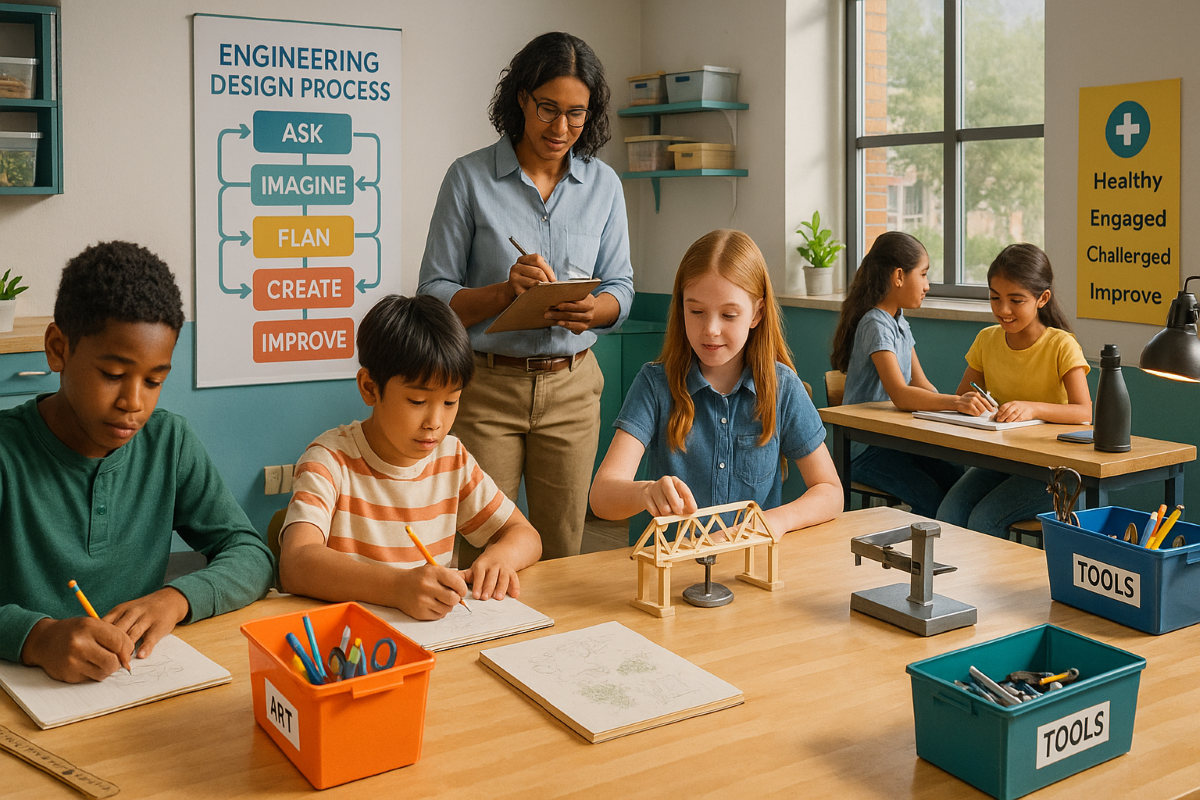 ISA is an afterschool program that prepares elementary students for future careers by nurturing curiosity across Science, Technology, Engineering, Art, and Math. Our model is intentionally whole-child:
- Hands-on challenges with multiple solutions: Every month students tackle a themed, real-world problem—like building a water-filter prototype or designing a rescue robot. There isn’t one “right” answer; there are trade-offs, tests, and improvements.
- Engineering design process: Students Ask (clarify the problem), Imagine (brainstorm), Plan (sketch and select), Create (build and test), and Improve (refine). This cycle develops persistence and reflective thinking.
- Integrated creativity: Art isn’t an add-on. Students use sketches, storyboards, user interfaces, and visual design to communicate ideas—reinforcing aesthetics, audience awareness, and empathy.
- Collaboration & communication: Team roles (project manager, materials lead, data recorder, presenter) ensure each child contributes and learns to articulate thinking.
- Critical thinking & data use: Students gather data, compare results, and justify decisions. They practice turning evidence into conclusions—an essential scientific habit.
- Growth mindset & SEL: We normalize mistakes as learning signals, celebrate “version 2.0,” and teach feedback skills—so children see effort as the path to mastery.
What Learning Looks Like (A Snapshot)
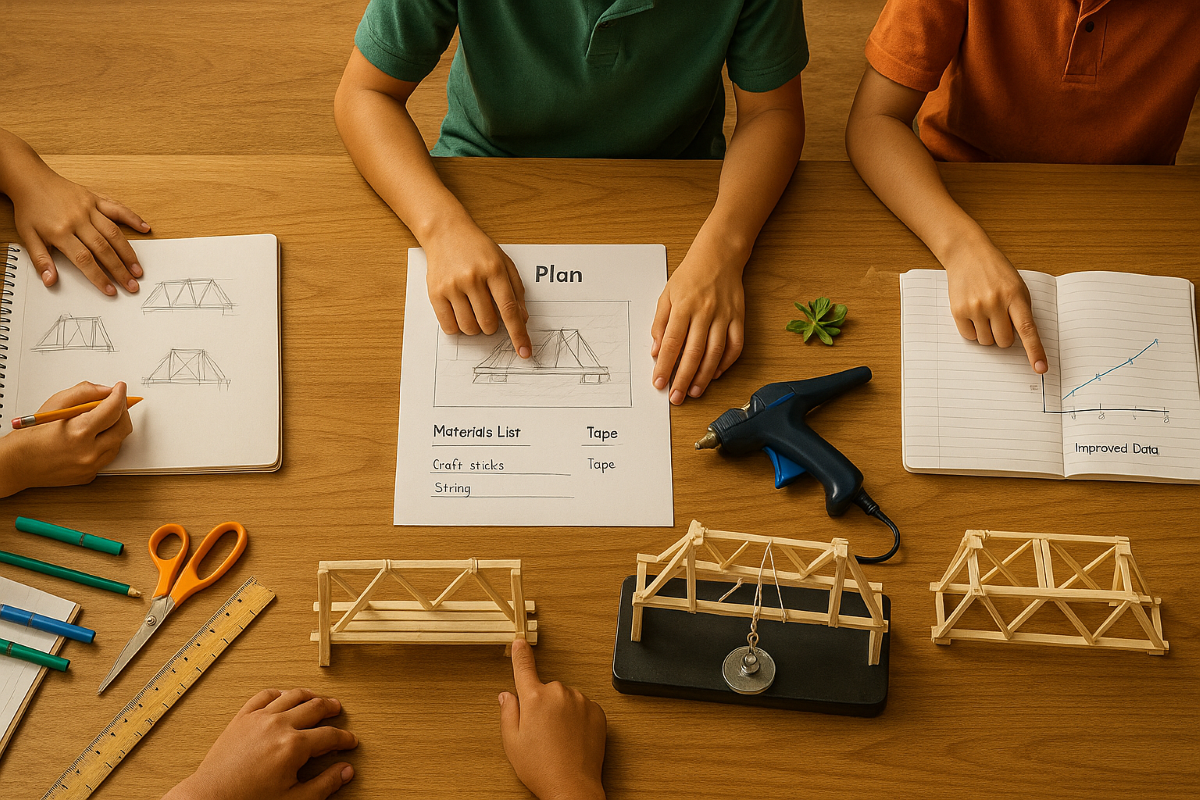
- Ask: “How might we design a bridge that spans 30 cm and holds 300 grams?”
- Imagine: Teams sketch at least three ideas; no judgment during brainstorming.
- Plan: They select a design, list materials, and schedule build steps.
- Create: Build, test with incremental weight, record outcomes.
- Improve: Identify weak points, adjust geometry or materials, retest.
- Communicate: Present the redesign story—what failed, what changed, and why.
Students don’t just hear about perseverance; they practice it.
Academics Still Matter—They’re Just Integrated
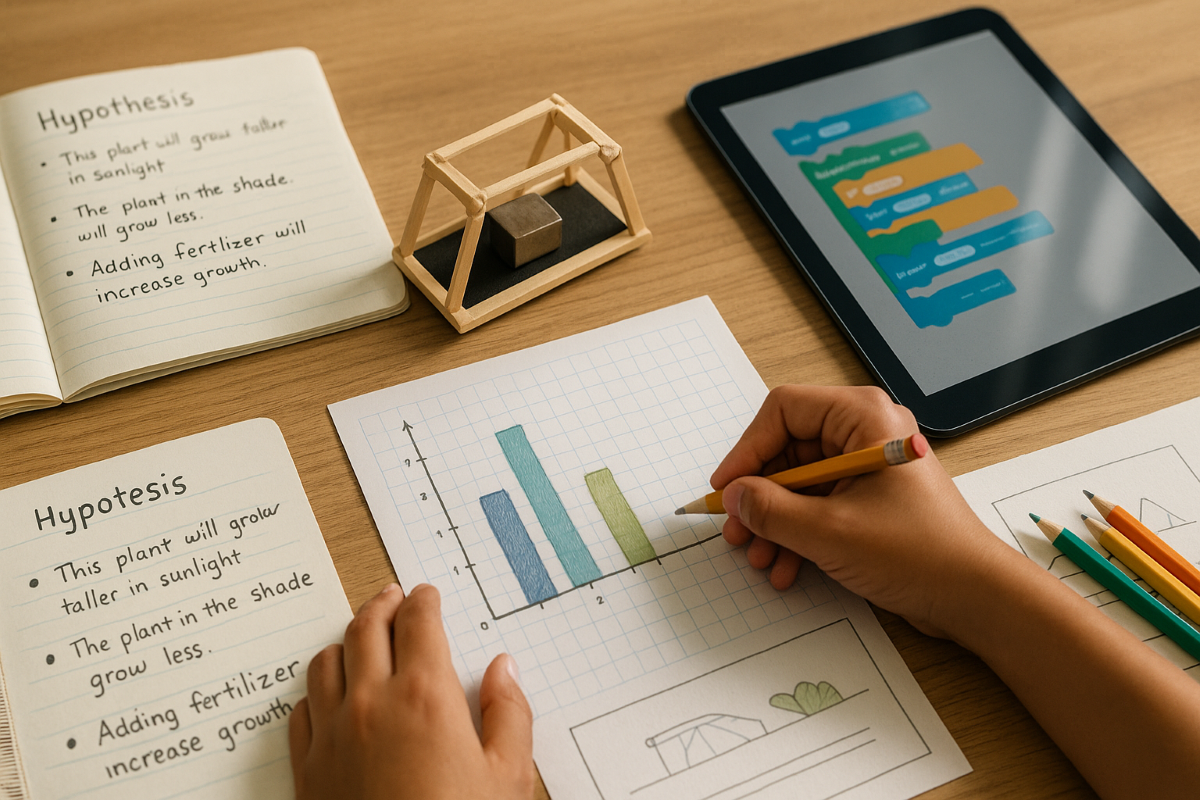 A common worry is that whole child means “less academics.” At ISA, academics are deeper because they’re applied:
- Math becomes measurement, ratios, budgeting, and data graphs.
- Science becomes hypotheses, fair tests, and design constraints.
- Literacy includes technical writing, pitch decks, and peer feedback.
- Art refines visualization, user experience, and storytelling.
This integration helps knowledge stick. Children remember lessons they’ve tested with their own hands.
How Progress Is Measured (Beyond Grades)
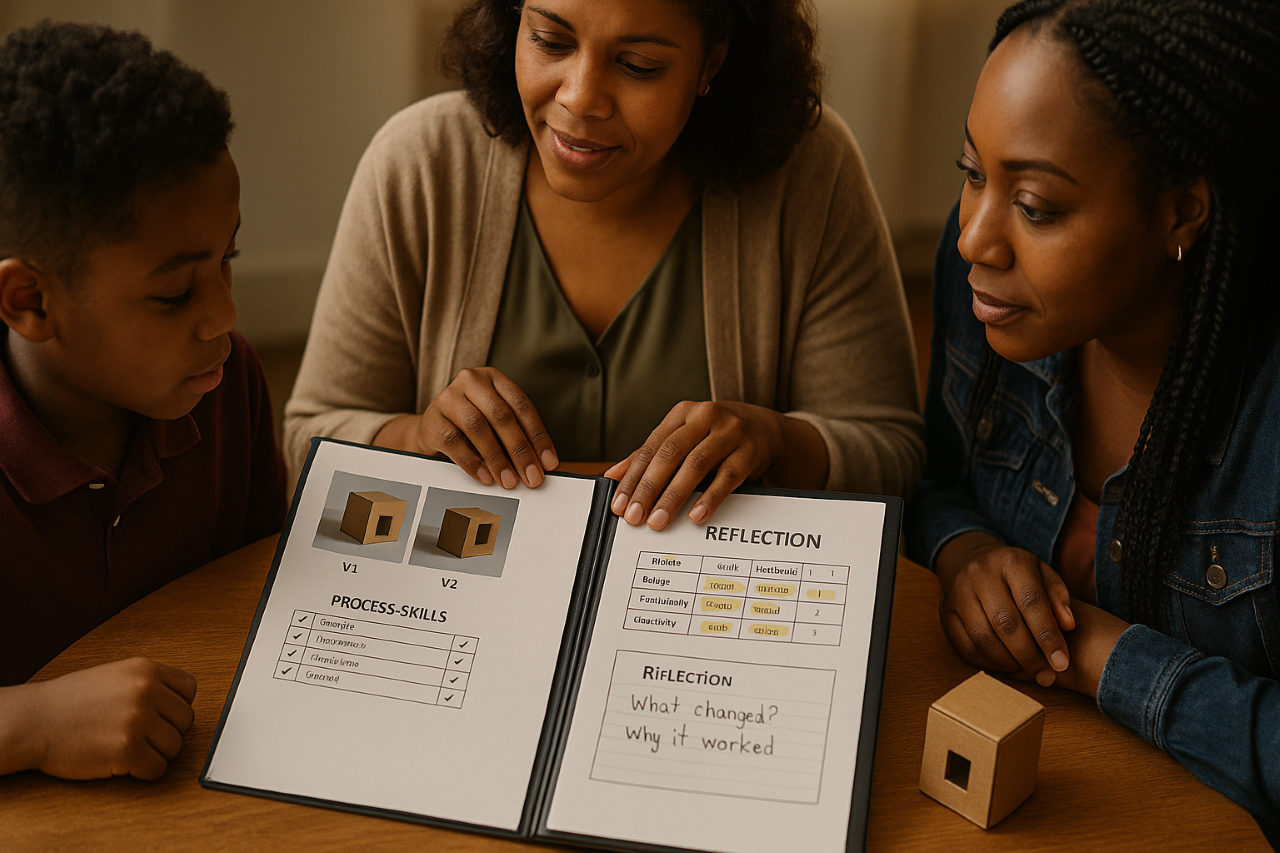 We use a blend of product and process indicators:
- Product quality: Does the prototype meet the constraints? How well does it perform?
- Process skills: Did the team iterate? Use evidence? Communicate clearly?
- Reflection: Can the student explain what changed between versions and why?
- Habits of success: Persistence, collaboration, planning, and time management.
Parents receive plain-language feedback anchored to these skills, so you can track growth you actually recognize at home.
If Your Child Lacks Motivation, Try This at Home
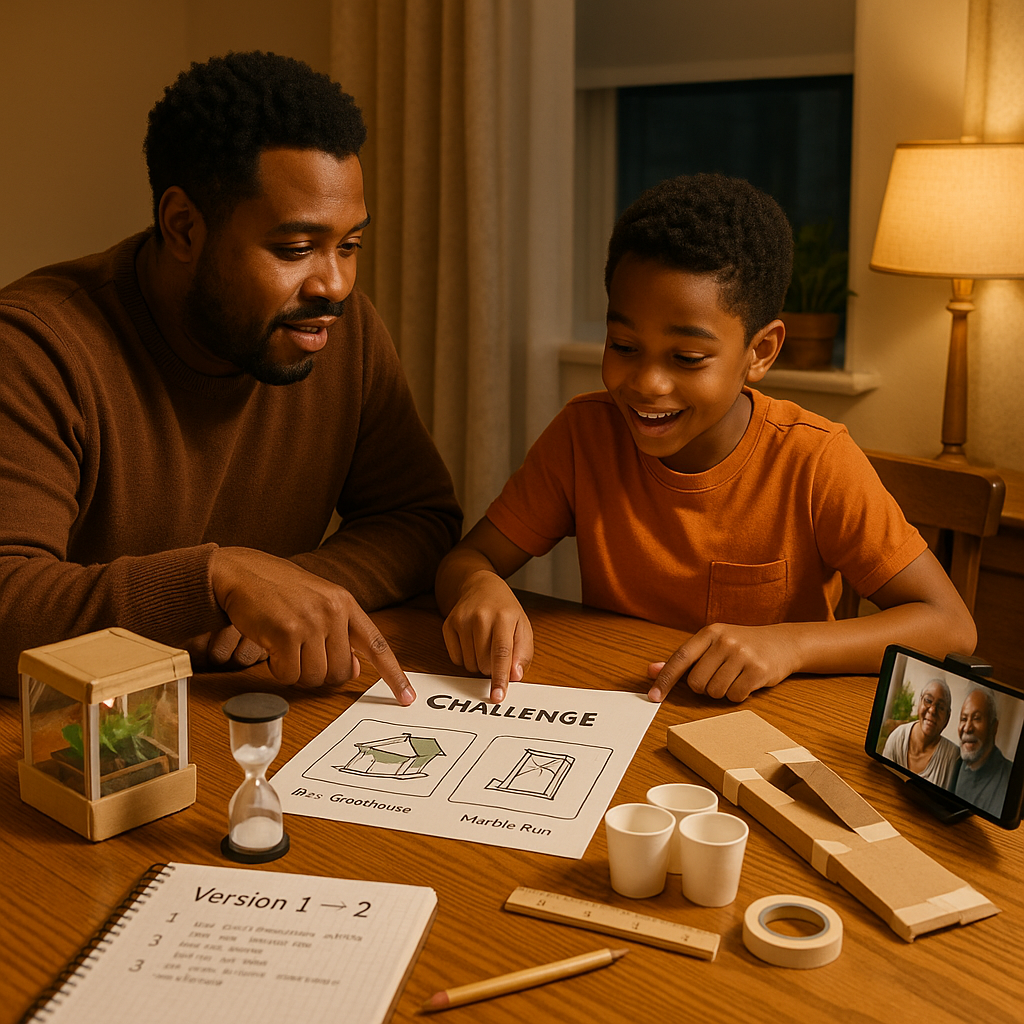 You don’t need a lab to reinforce whole child learning. Try:
- “Choice within challenge.” Offer two or three project options (e.g., build a mini-greenhouse or design a marble run). Choice boosts ownership.
- Micro-prototyping. Encourage “version 1” to be quick and rough, then set a timer and ask, “What’s one improvement for version 2?”
- Outcome journaling. After homework or a project, ask: What worked? What will you try next time? Keep entries to three bullet points.
- Real audiences. Have your child demo a project to a grandparent over video or at dinner. Authentic audience increases effort and clarity.
- Celebrate process, not perfection. Praise the strategy (“I like how you changed the ramp angle after testing”) instead of just the outcome.
Questions Parents Can Ask Any Program
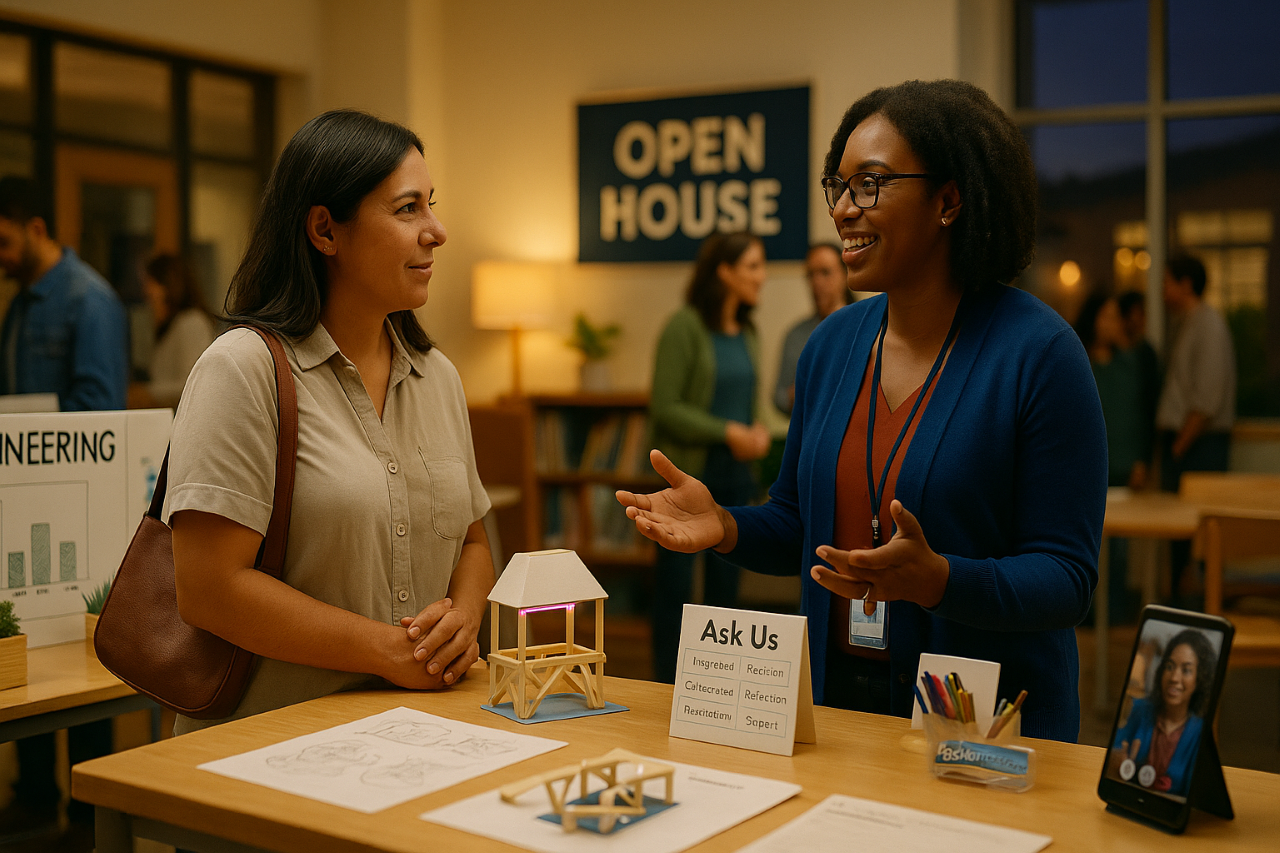 Use these to evaluate whether a program truly supports the whole child:
1. How do you integrate hands-on projects with clear learning goals?
2. What does feedback look like—do students get to revise work?
3. How do you measure collaboration, communication, and perseverance?
4. How do students reflect on mistakes and plan improvements?
5. How are arts, design, or storytelling used to deepen STEM?
6. How often do students present to an audience?
7. How do you support children who are anxious, shy, or easily frustrated?
Programs that answer these concretely—not vaguely—are more likely to deliver real growth.
What Makes the Whole Child Approach “Future-Proof”
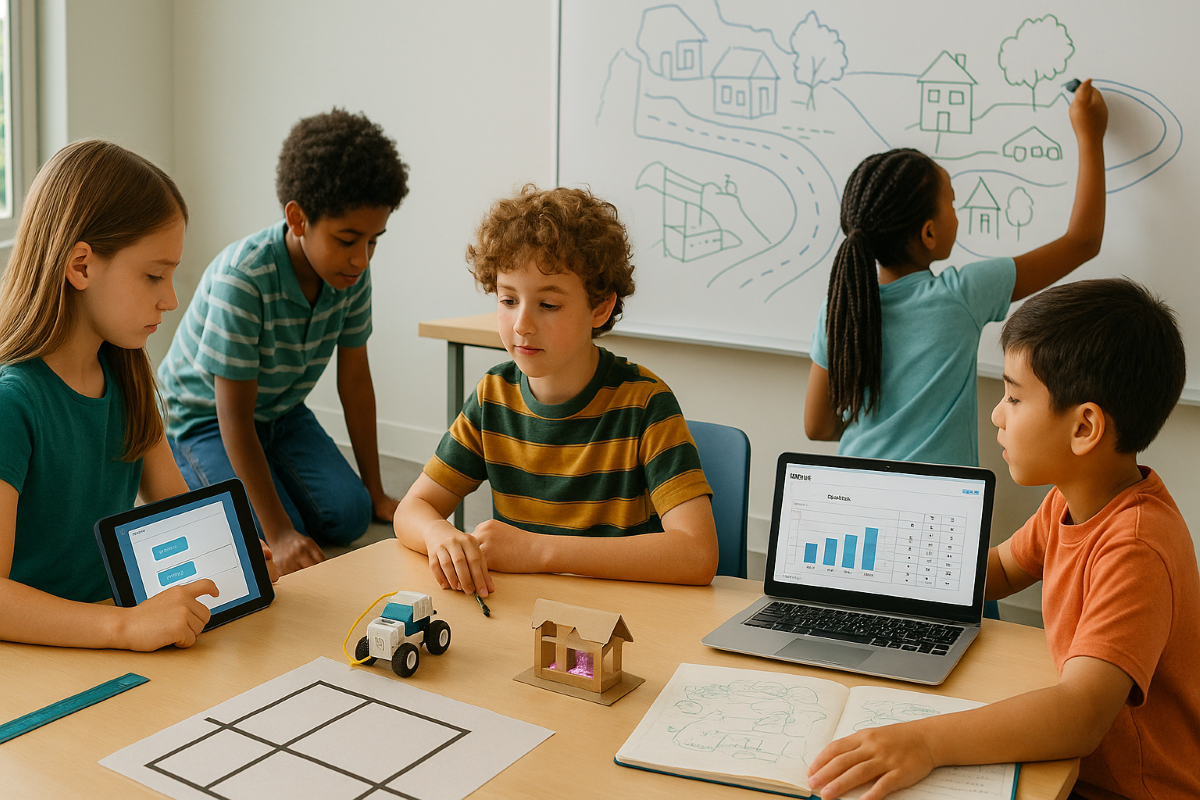 Careers of tomorrow demand more than memorization. Employers and communities value people who can:
- Frame problems clearly
- Learn new tools quickly
- Work across disciplines
- Communicate ideas with empathy
- Iterate based on data and feedback
ISA’s monthly, open-ended challenges are a training ground for exactly these abilities—starting in elementary school, when habits and mindsets form fastest.
Equity, Inclusion, and Confidence
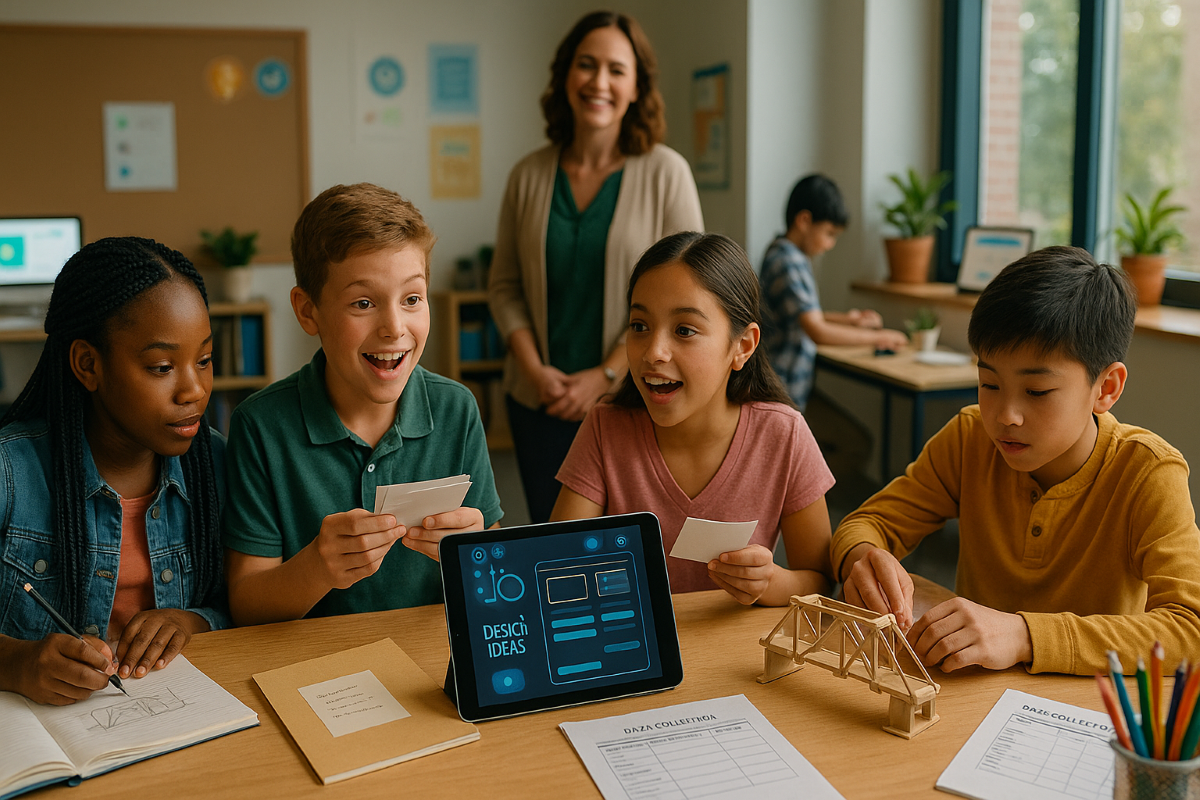 A whole child lens helps every learner find an entry point:
- Multiple solution paths reduce the fear of getting it “wrong.”
- Team roles allow strengths to shine—quiet designers, bold presenters, careful data collectors.
- Visible iteration communicates that excellence is built, not inherited.
When children see peers exploring different strategies toward a shared goal, confidence grows—and achievement follows.
How ISA Partners with Parents
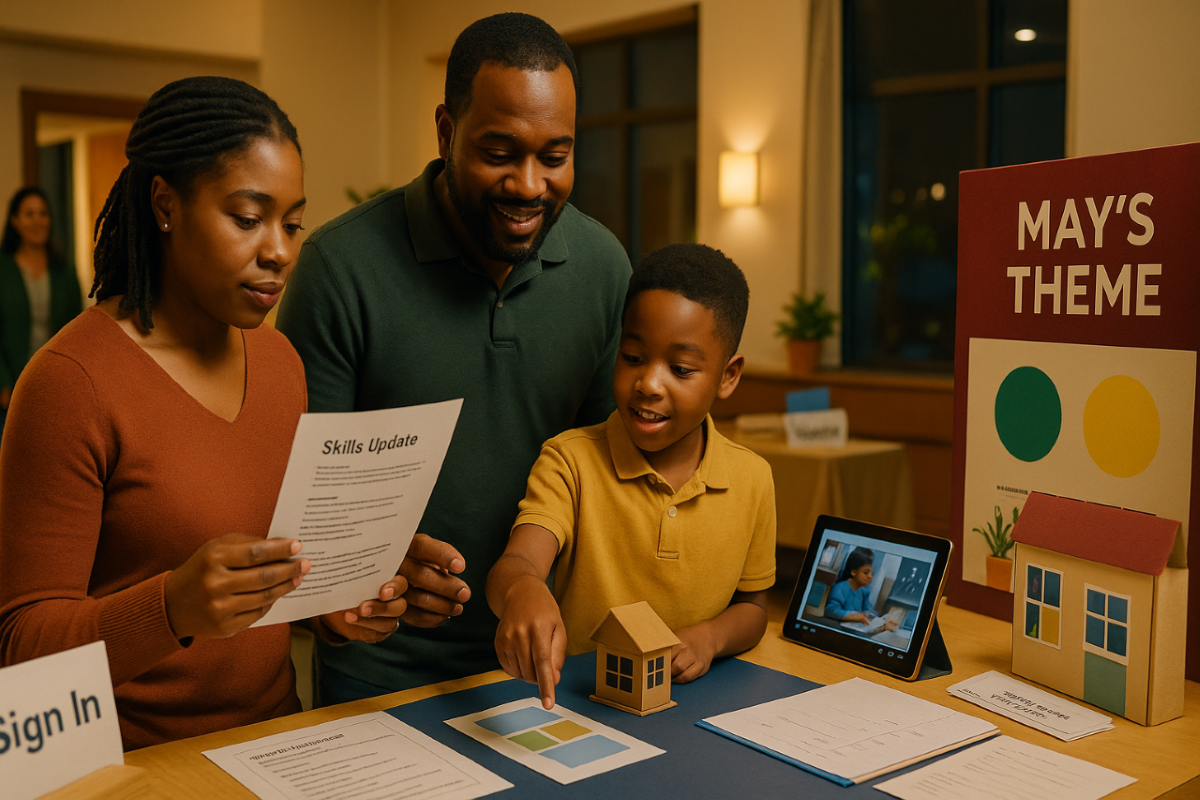
- Clear communication: You’ll receive updates about themes, skills, and upcoming presentations.
- Home extension ideas: Simple, low-cost activities to connect projects with everyday life.
- Student showcases: Regular opportunities to see products, hear reflections, and celebrate growth.
- Individual encouragement: We recognize each child’s unique potential and create structured ways for them to contribute.
Getting Started with ISA
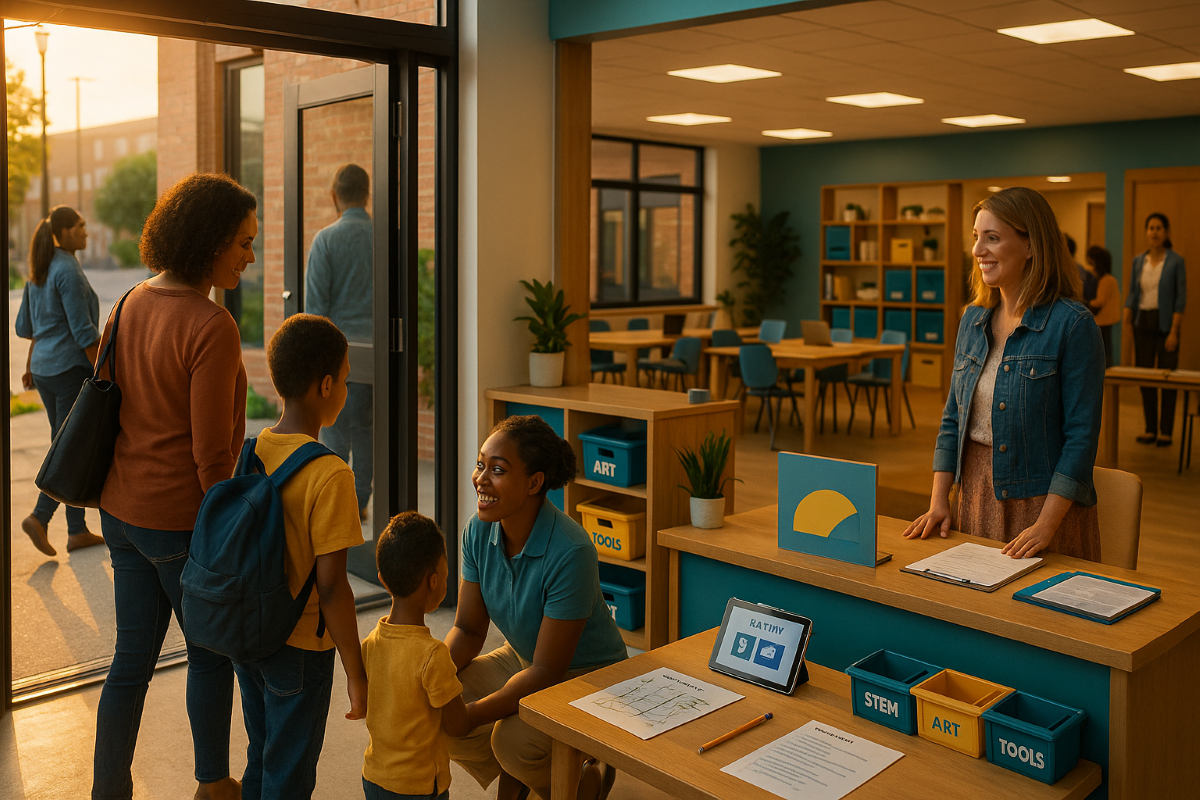
If you want your child to:
- Re-discover why learning matters,
- Build perseverance through real-world challenges,
- Strengthen communication, creativity, collaboration, and critical thinking,
- And experience the joy of making ideas real,
then the whole child approach at Impact STEAM Academy is a powerful next step. Your child won’t just complete assignments; they’ll become a curious problem-solver who knows how to turn questions into solutions.
Final thought: Grades tell a small part of your child’s story. The whole child approach helps write the rest—skills, character, and confidence that open doors long after elementary school.
Was this article helpful?